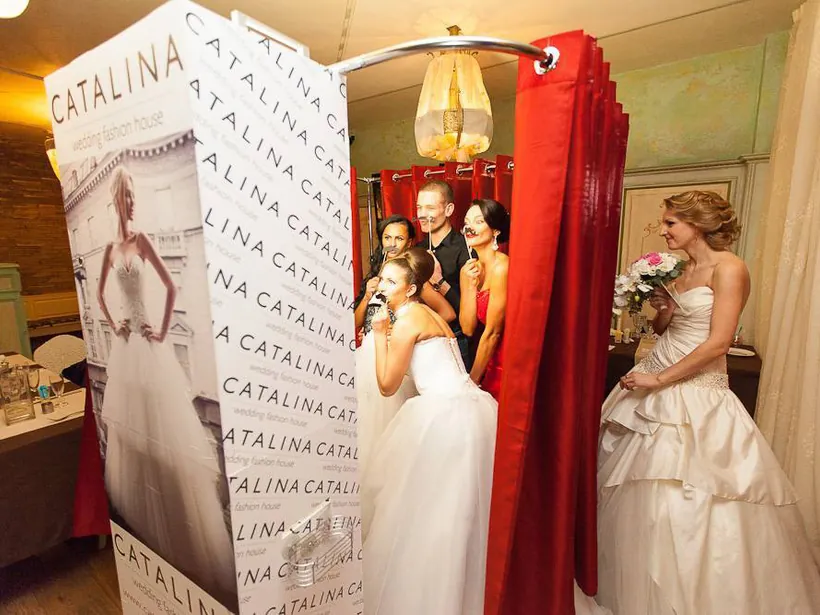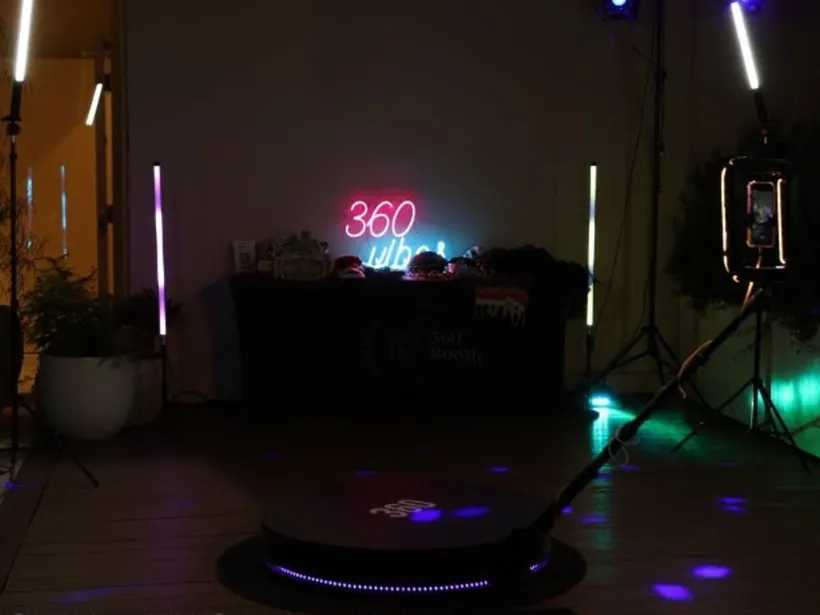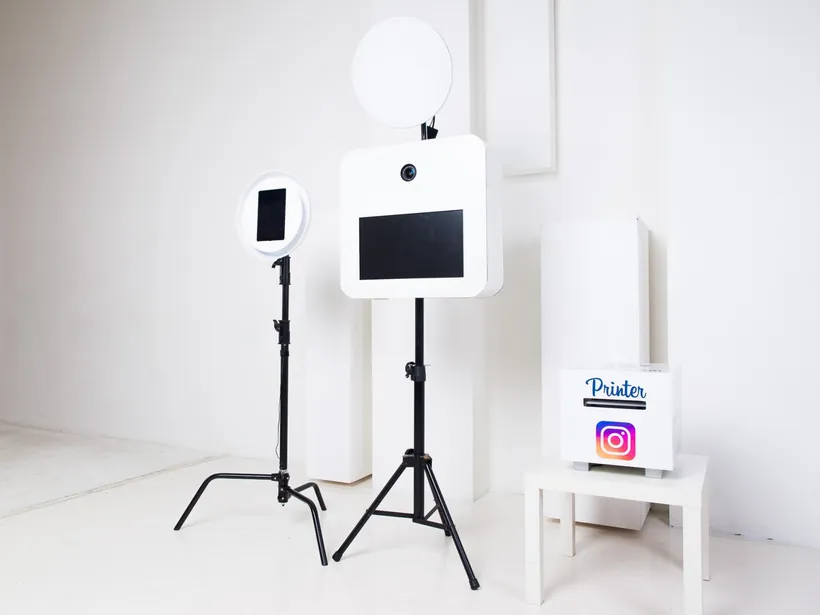
A photo booth is no longer one enclosed machine in the corner of a party. In Toronto, the term can mean anything from a classic print booth to a 360 platform or a branded Instaprinter activation. The right answer depends on the event goal, the room and what guests are supposed to walk away with.
What people really mean when they say photo booth
Most people use the phrase "photo booth" as a catch-all term, but event vendors use it to describe several very different formats. Some are built around instant prints, some around digital sharing and some around branded activations.
That distinction matters because a booth that works beautifully at a wedding reception can be the wrong fit for a trade-show floor or mall program. The hardware, pace and guest expectation are not the same.
A useful definition therefore starts with the event outcome: keepsakes, social content, branded engagement or a combination of all three.
The booth formats people compare most often
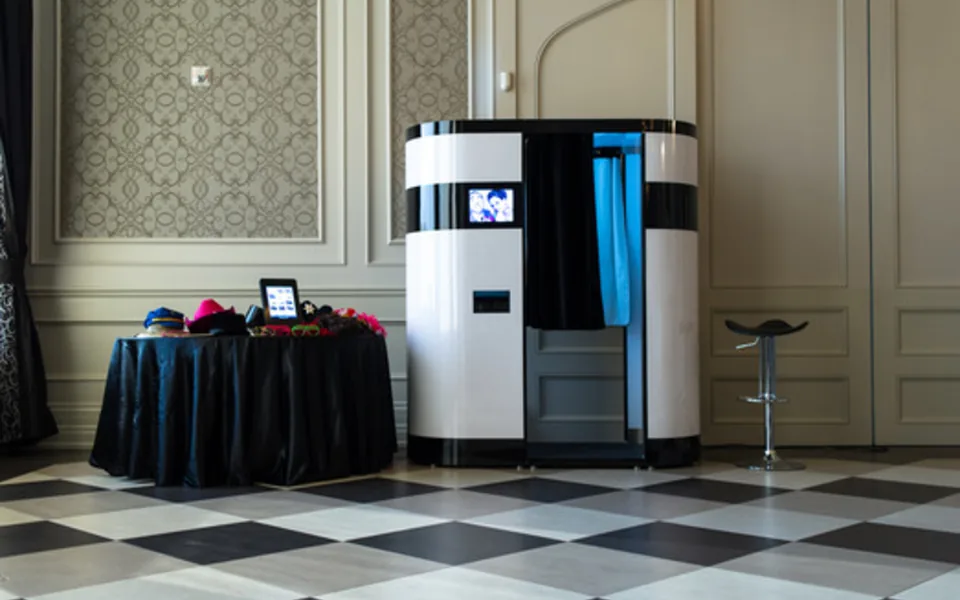
Toronto renters usually compare four practical categories: classic print booths, open-air setups, 360 booths and activation-led formats like an Instaprinter. Each one creates a different guest rhythm and a different type of output.
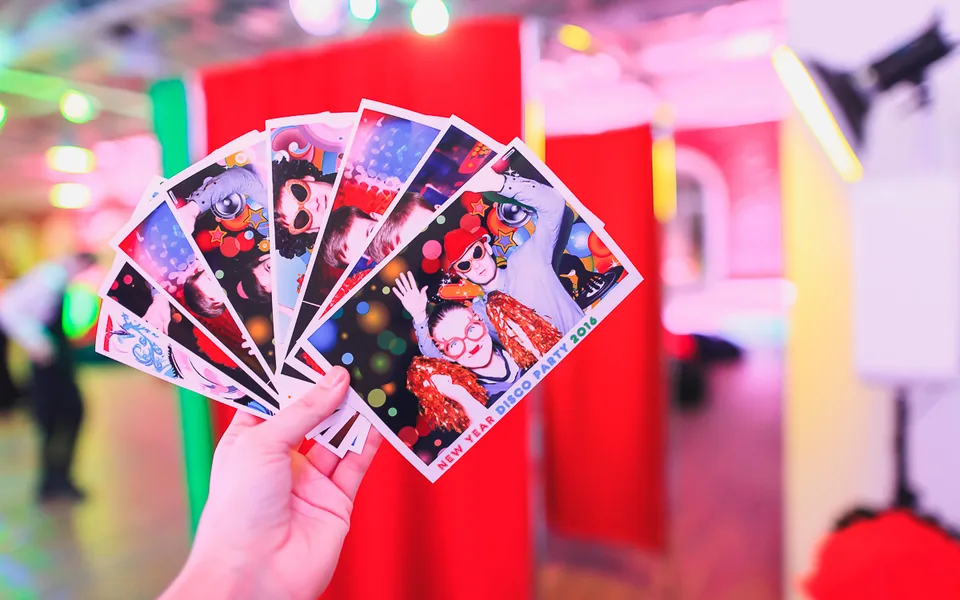
Classic print booths are usually the easiest to understand. Guests step in, take a photo and leave with a print in a matter of moments. That simplicity is a strength at weddings, birthdays and school events.
Activation formats can feel more modern or campaign-driven, but they also ask more from staffing, branding and event logistics. They are strongest when the event needs a visible branded experience, not only a keepsake.
What guests actually notice first
Guests rarely evaluate a booth by its spec sheet. They notice how easy it is to join, how flattering the result looks and whether the final output feels worth keeping or sharing.
That is why print quality, lighting and booth pacing matter more than novelty on many private events. If the line is confusing or the photos look flat, the booth feels weaker regardless of how many features it advertises.
For mixed-age Toronto crowds, the format that wins is usually the one that needs the least explanation and still produces a clear, polished result.
Why Toronto venues change the recommendation
Venue rules influence booth choice more than many first-time renters expect. Downtown loading limits, banquet hall turns, mall access windows and compact private venues all create real operational constraints.
A large or theatrical booth can look appealing in isolation, but once the event room is busy with décor, tables, service traffic and guests, a simpler format may be the safer recommendation.
That is why the venue address, access conditions and busiest guest window should be part of the first inquiry, not an afterthought.
What changes the event-day experience most
Three things shape the experience fastest: output, staffing and placement. Instant prints make the booth feel tangible. Good staffing keeps the line moving. Smart placement keeps participation natural.
If any of those three are weak, the booth can still function technically but feel forgettable in practice. That is often where low-effort quotes fall short.
StudioPic-style recommendations usually begin by locking those decisions first, then choosing the package around them.
What to include before you ask for a quote
The strongest inquiry includes the event date, venue, guest count, desired output and whether the booth needs to feel classic, premium or brand-facing. That is enough context to recommend the right direction quickly.
If the event already has a timeline, mention the busiest guest window. This matters more than a vague request for a certain number of rental hours.
Once the vendor understands the room and the event goal, the recommendation becomes much more useful than a generic starter package.