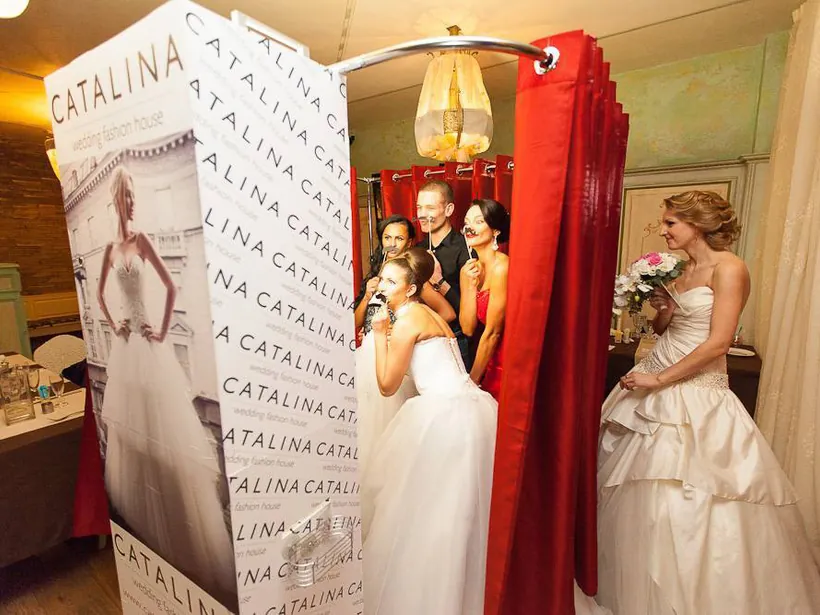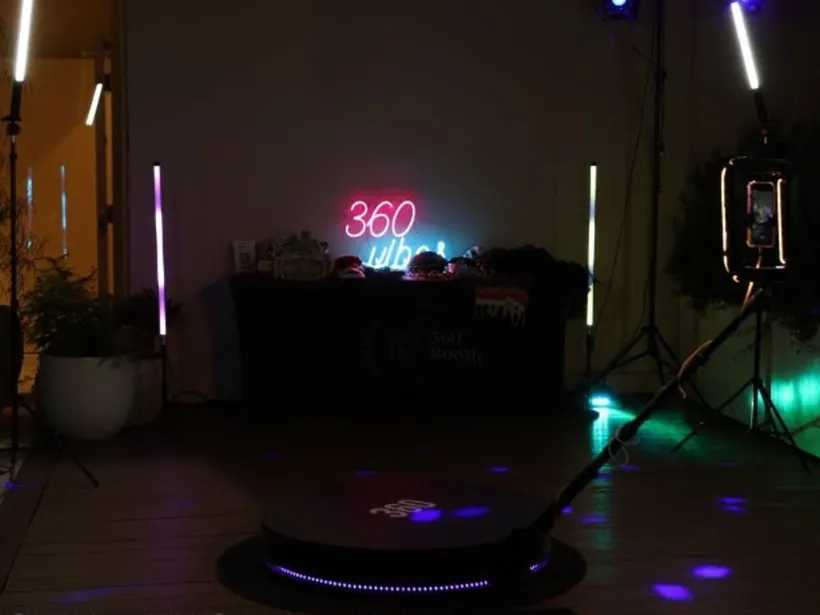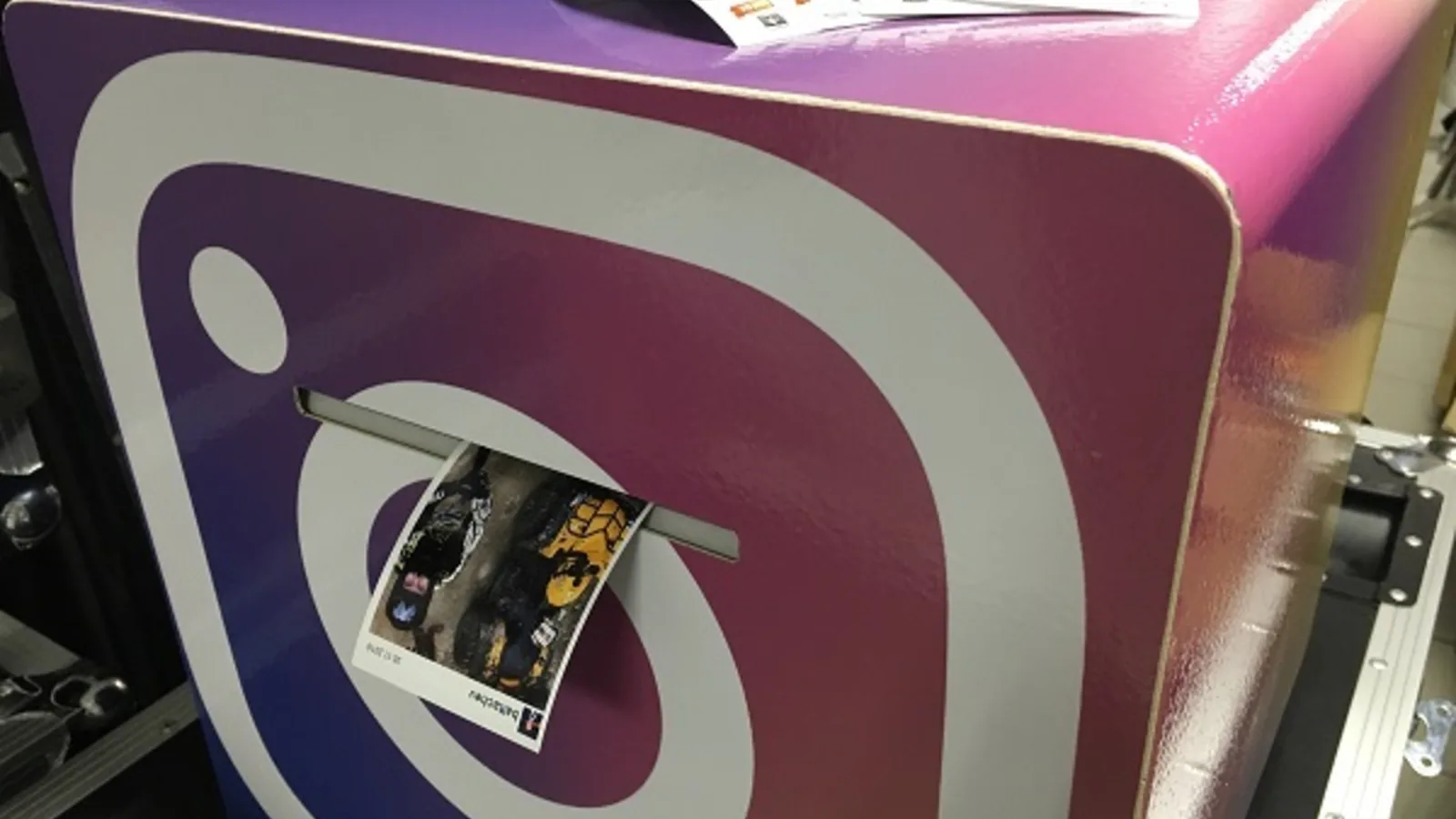
An Instaprinter is less about a traditional booth line and more about turning guest participation into a branded print or campaign interaction. It works best on events where visibility, social behavior and branded output matter as much as the photo itself.
What an Instaprinter is actually designed to do
An Instaprinter is designed to turn participation into visible, branded output. It is not simply a printer placed beside a photo booth.
The format is valuable because it makes the guest action feel connected to the campaign itself. The output becomes part of the event storytelling.
That makes it especially attractive when the event needs to feel public, interactive and brand-forward rather than private and keepsake-led.
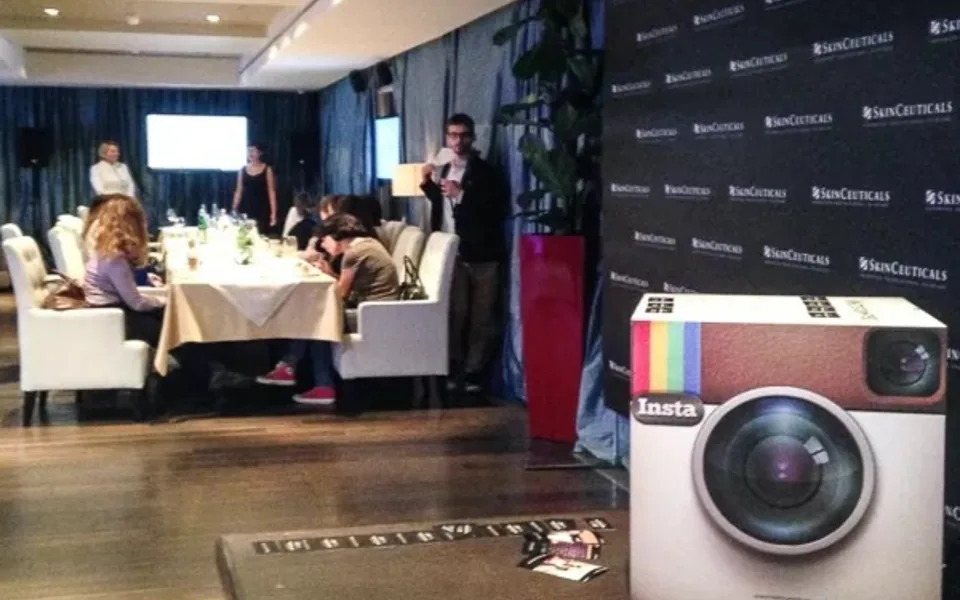
How the guest workflow usually works
At a practical level, the guest captures content or triggers the branded interaction, and the system converts that participation into a print or activation output. The important detail is that the workflow feels immediate to the guest.
A strong setup minimizes confusion. Guests should understand what action to take, what they receive and why the interaction is part of the event.
That clarity usually comes from good signage, staffed guidance and a visible, well-placed unit rather than from the hardware alone.
Where the format performs best
This format performs best in branded environments where the booth is part of a campaign objective. Product launches, mall events, experiential activations and public marketing programs are the clearest examples.
These events care about participation, visibility and memorable branded output. A traditional private-event booth may be too inward-facing for that goal.
When the event objective is public engagement rather than a personal keepsake, an Instaprinter can be the stronger solution.
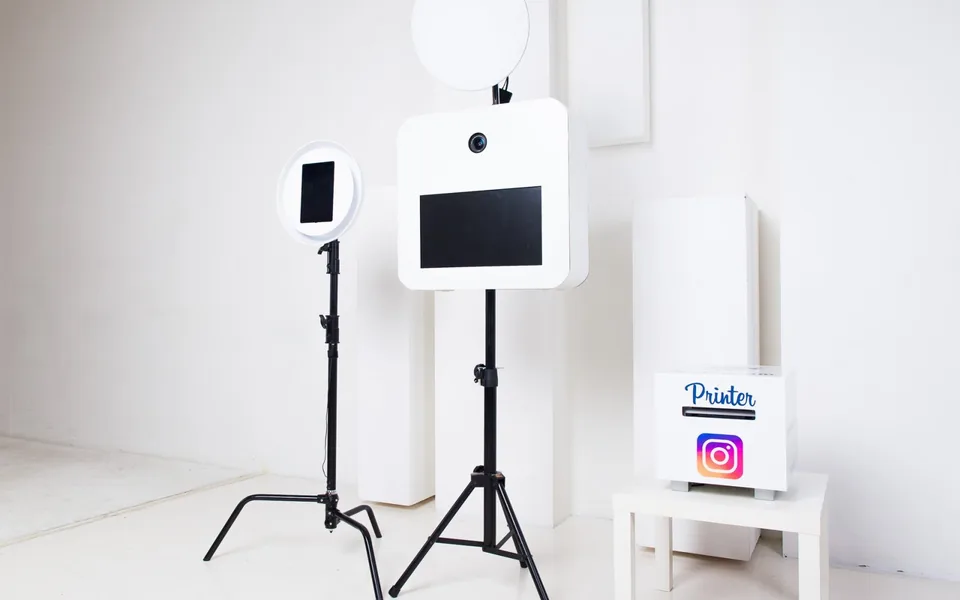
Why brand control matters more than usual
Because the output is more obviously tied to the campaign, brand control matters at every step. That includes overlays, copy, color treatment, staff presentation and how the guest sees the interaction.
Unlike a simple booth strip, activation output often becomes a visible extension of the event brand. That means approvals and template discipline matter more.
The strongest activations decide these details before the event rather than improvising once guests are already in the space.
How venue logistics shape the setup
Public-facing venues create queue and placement pressures that do not exist in a private reception room. The hardware may be simple, but the activation environment is not.
Mall traffic, public walkways, conference timing and sponsor visibility all influence where the unit should sit and how it should be staffed.
That is why the setup has to be scoped for public circulation and event flow, not only for technical power and print output.
When a classic booth is still the better choice
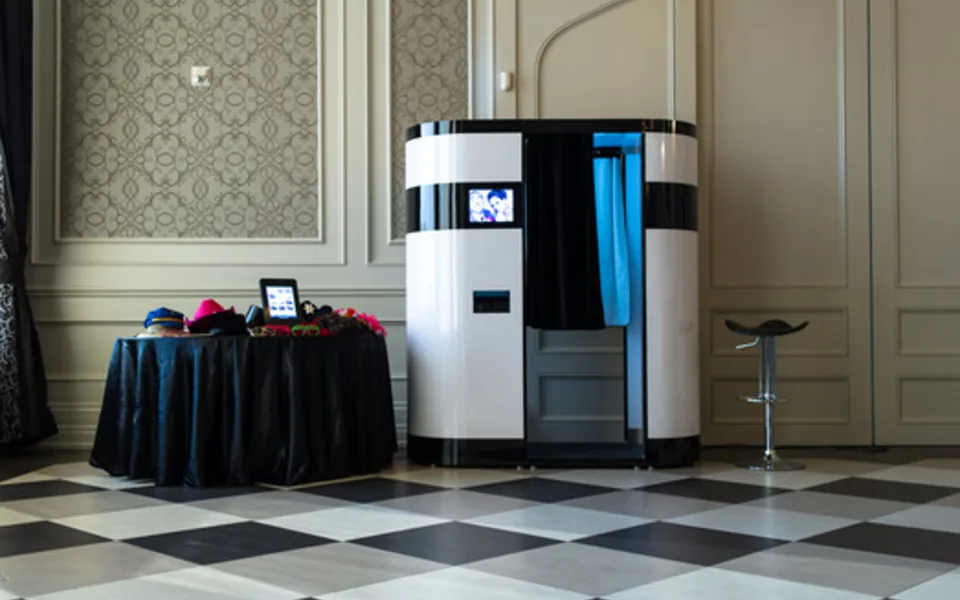
An Instaprinter is not automatically the premium option. If the event primarily needs easy guest participation and personal keepsakes, a classic print booth can still outperform it.
Private parties, weddings and guestbook-led receptions usually benefit more from a format that feels intimate and immediate. The campaign value of an Instaprinter is less relevant there.
The right comparison is therefore not old versus new. It is activation-led output versus keepsake-led output.