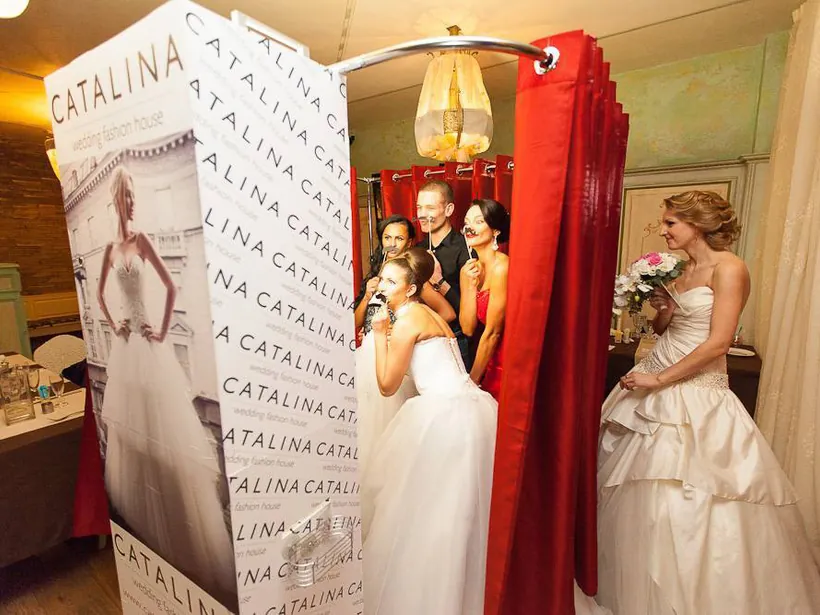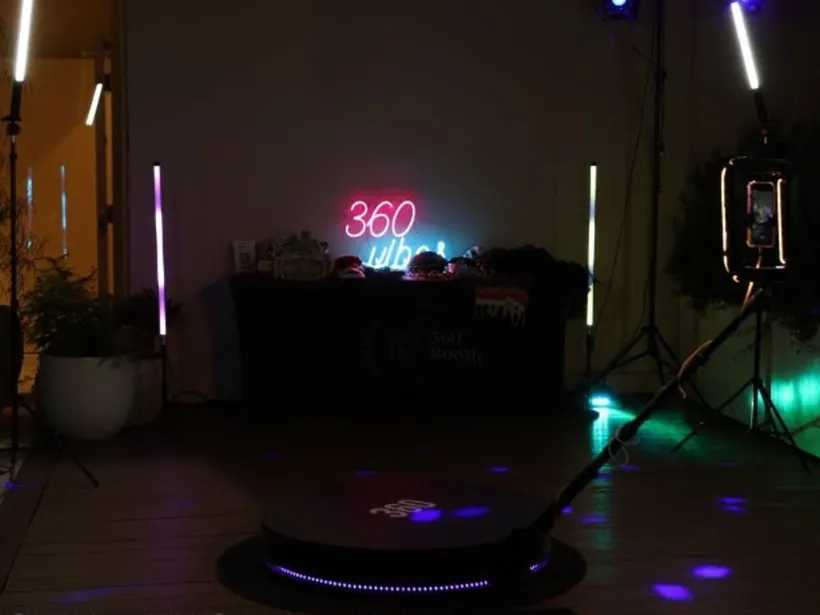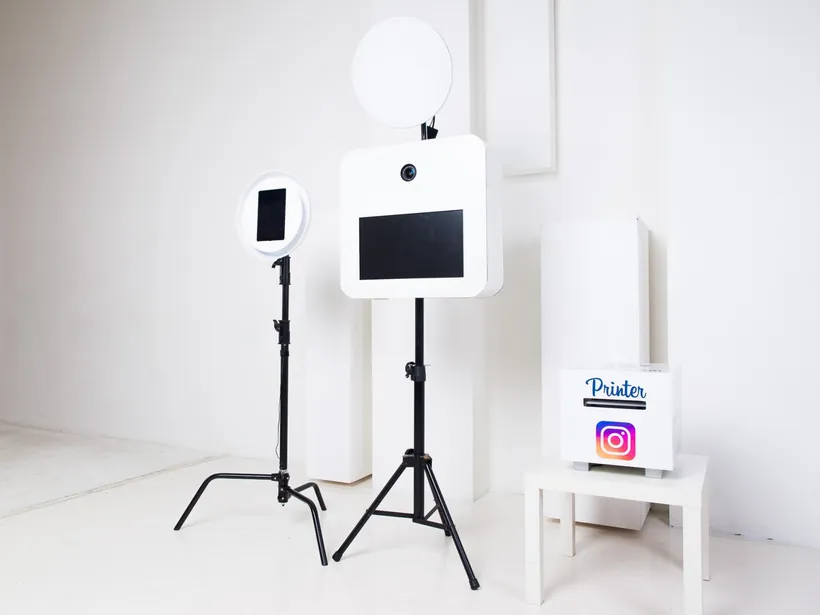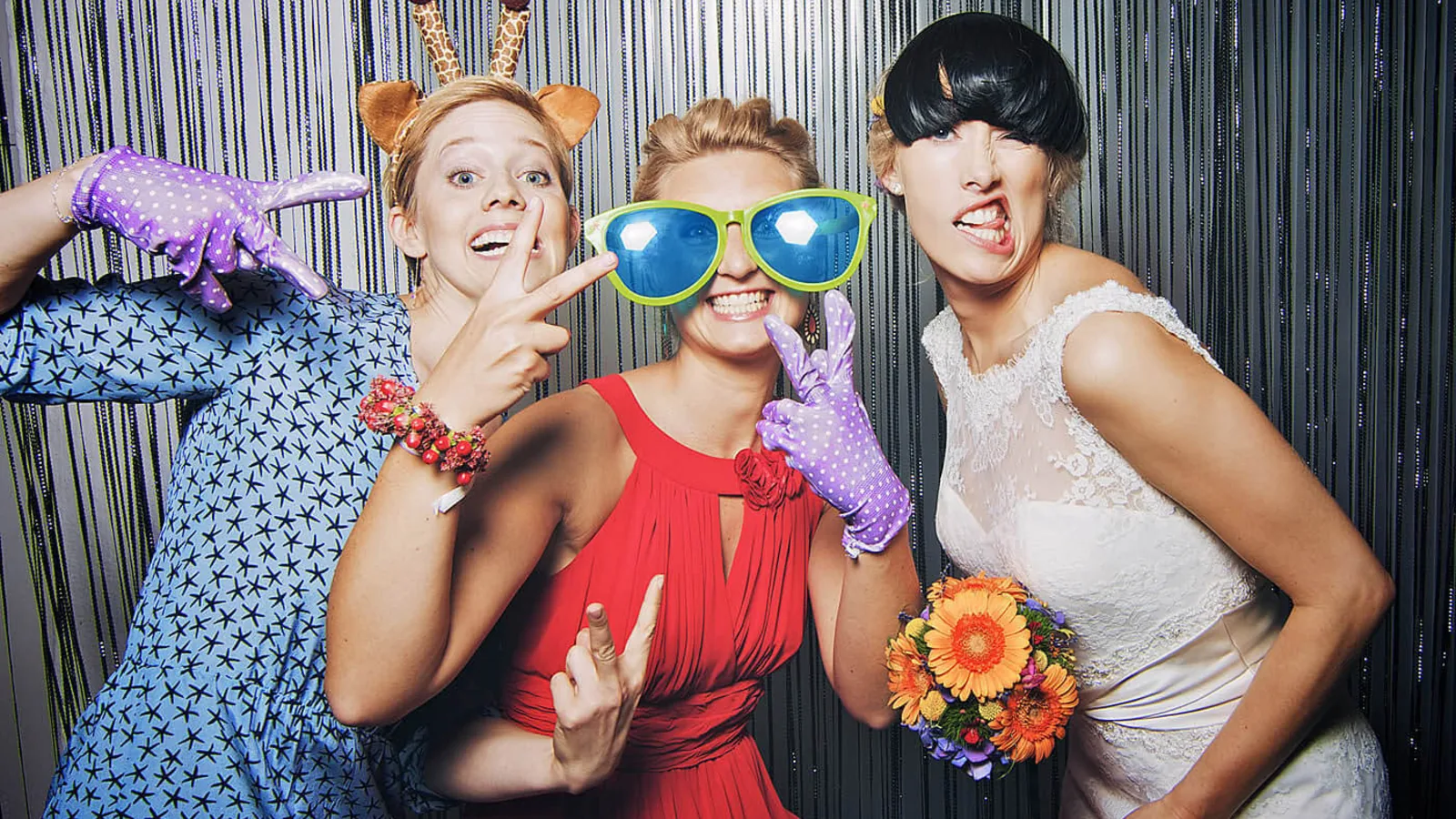
The right wedding photo booth should feel like part of the reception, not an extra object dropped into the room. In Toronto weddings, the best booth choice depends on guest flow, print style, venue access and how the couple wants guests to remember the night.
Start with the room and the guest flow
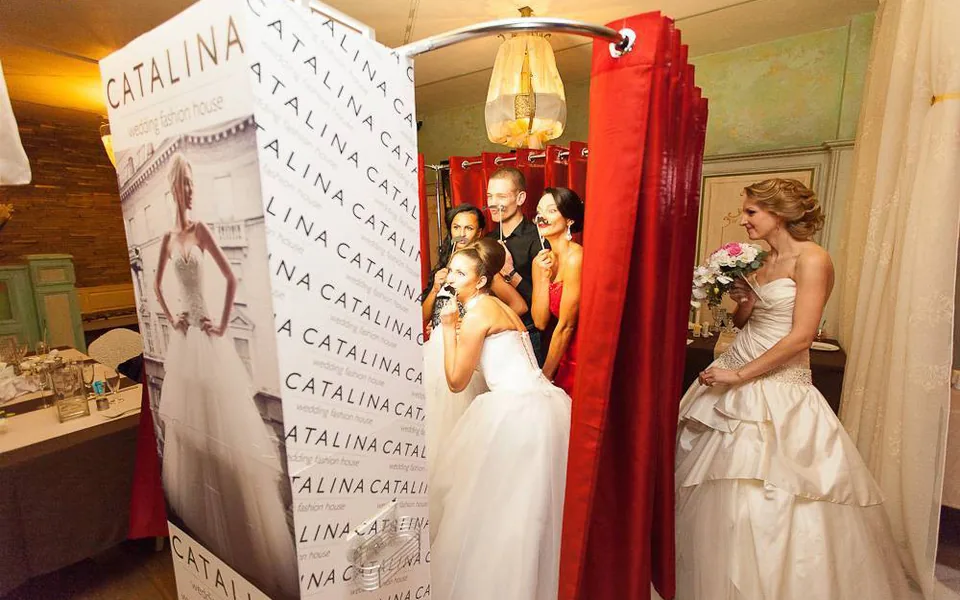
The best wedding booth is the one that fits naturally into the reception rather than stealing space from the rest of the room. Guest flow matters from the first planning conversation.
If the booth is too far from the dance floor, bar or guestbook area, participation drops. If it is too close to service paths or tables, it can feel disruptive even when the booth itself is attractive.
That is why venue layout should shape the booth recommendation before print design or props are even discussed.
Decide what keepsake matters most
Couples often say they want a booth, but the deeper question is what they want guests and the couple to keep. That answer changes the format recommendation immediately.
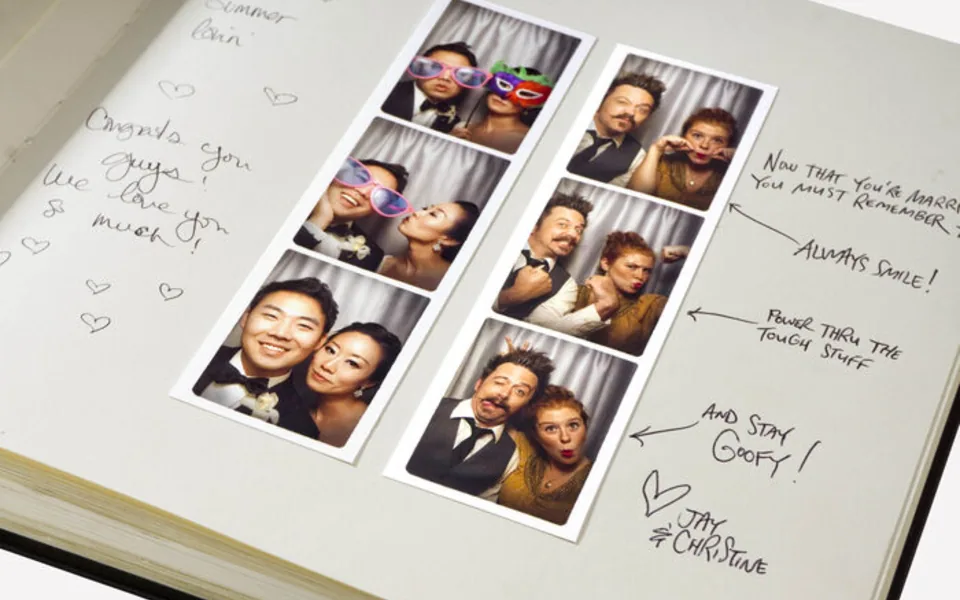
If the priority is a guestbook, the booth should support duplicate prints and a clean handoff. If the priority is a polished modern look, the print template may matter more than the prop count.
When the keepsake goal is clear, many other decisions become easier because the booth is no longer trying to satisfy conflicting outcomes.
Match the booth style to the wedding atmosphere
A booth should feel visually coherent with the wedding, not like a rental dropped in from another event type. That does not mean everything must match perfectly, but the tone should align.
Elegant weddings often benefit from a cleaner booth presentation and refined print template, while playful celebrations can support bolder props and a more visible guest interaction zone.
Couples should evaluate booth fit in the same way they evaluate florals, stationery and guestbook styling: as part of the wider event design.
Time the booth around the reception, not a default package
Wedding booth timing is often mishandled because people start with a fixed number of hours instead of the actual reception rhythm. That usually leads to dead time early and pressure later.
For many Toronto weddings, the best participation comes during cocktail hour, after dinner or once the dance floor has opened. Those moments should guide the booth window.
A booth timed to the event will always feel more successful than a booth timed only to a standard rental block.
Plan the guestbook workflow early
Guestbook booths work beautifully when the process is obvious and physically convenient. They work poorly when the book is disconnected from the booth or no one knows what to do with the extra print.
Duplicate prints are often what make the guestbook experience worthwhile because one copy goes to the couple and one remains with the guest. That needs to be planned, not improvised.
If the guestbook is important, treat it as part of the booth design rather than as an optional extra at the end of the booking.
Build the inquiry so the vendor can recommend, not guess
A useful wedding inquiry includes the venue, date, guest count, print preferences and whether the couple wants a guestbook workflow. That is enough information for a real recommendation.
If the room has tight load-in, short setup windows or unusual access, say that immediately. Venue logistics often change the practical recommendation.
The goal is not simply to get a price. It is to give the vendor enough context to propose the booth that protects the reception experience.