The answer to "How Guest Count Changes Photo Booth Pricing" gets clearer once the event brief is concrete. In Toronto, booth format, coverage hours, output and venue conditions usually matter more than the first package label. This guide breaks down the real cost drivers so the quote reflects the event instead of guesswork.
What changes the quote first
One of the first things that determines whether the event stays inside a straightforward package range or needs a custom recommendation is whether attendance is used to pick the format and staffing level early. Buyers often hunt for a flat number first, but the booth format, print output and amount of staffed time usually matter more than the first package name on a pricing page.
For StudioPic-style bookings, the better question is not "What is the cheapest package?" but "What setup protects the event?" That change in thinking keeps the booth aligned with guest flow, output and the room instead of forcing the room to adapt to a weak package.
This matters because Toronto buyers often compare vendors before the event scope is stable. If the scope is still vague, the cheapest quote is usually just the least informed quote.
How booth format and output shift the range
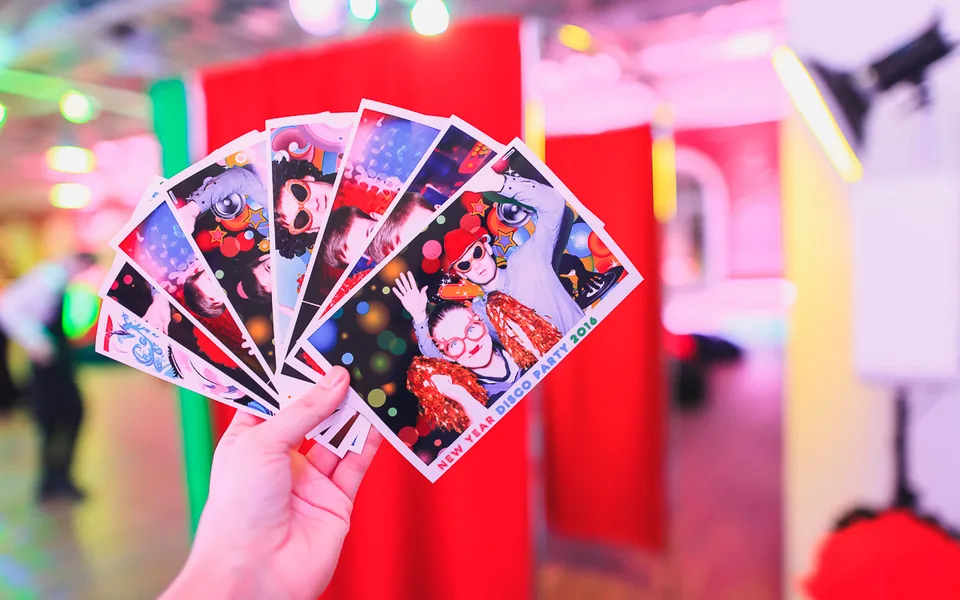
Pricing always moves once the event chooses between a classic print-forward booth, a branded activation-style setup or a more social-first format. The booth type changes hardware, staffing expectations and how long each guest interaction takes.
Output matters just as much. Physical strips, duplicate prints, branded overlays and cleaner print handoff all change the recommendation because they affect both workflow and perceived value at the event.
That is why a good quote never treats output as an afterthought. If the room expects keepsakes, the pricing model has to reflect that from the start.
Why Toronto venues move the budget
A common Toronto pressure point is that larger Toronto rooms can create heavy rushes that small booths cannot absorb well. Hotels, banquet halls, condo party rooms and public-facing sites all create different setup conditions, and those conditions affect labor, timing and the booth format that makes sense.
This is especially true for downtown venues, convention-centre environments and mall activations, where access timing and guest throughput matter just as much as the booth itself.
Two events with the same guest count can therefore produce very different quotes once elevators, freight access, security check-in or hard setup windows are real instead of theoretical.
When the higher package is actually the safer choice
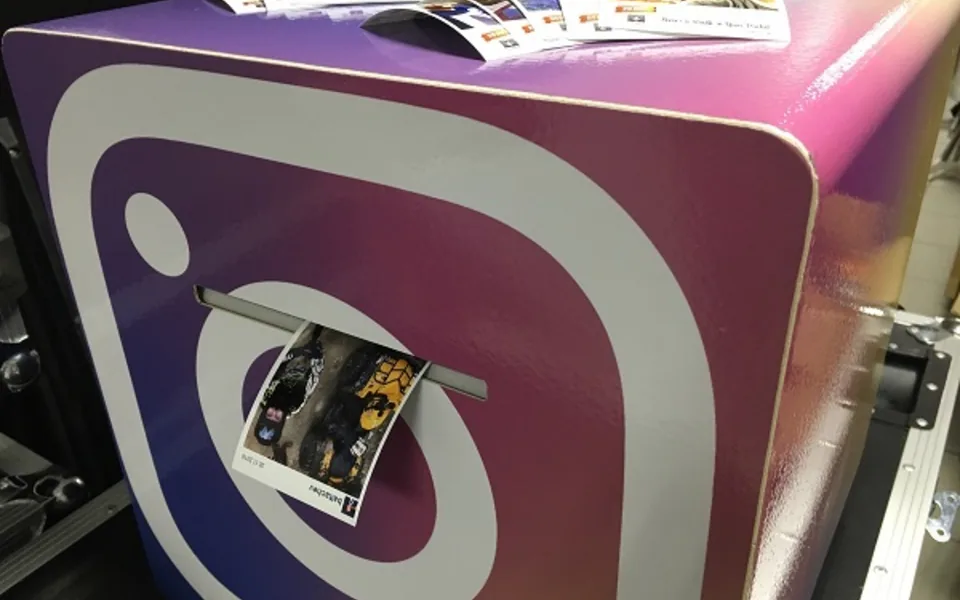
The more premium option is usually justified when the booth needs extra pacing support to protect guest experience. In those cases, paying less up front often creates more stress on event day because the booth is not matched to the room, the guest count or the output expectations.
A better package should buy clarity: cleaner staffing, better pacing, a booth format that fits the event and fewer last-minute workarounds. Those things do not always show up in a headline number, but they show up very clearly once guests start using the booth.
That is why premium should not mean "fancier for no reason." It should mean lower operational risk and a better event-day result.
How to compare Toronto quotes without guessing
The cleanest comparison is scope against scope. Compare booth type, coverage window, output, staffing and venue assumptions first. If any of those are different, you are not actually comparing the same product.
It also helps to separate true upgrades from cosmetic upgrades. A stronger staffing plan or better output workflow usually matters more than a vague promise about a "premium experience."
If a vendor cannot explain what moves the quote, the price itself is not yet useful. The more transparent recommendation usually becomes the better long-term value.
What to send before you ask for a quote
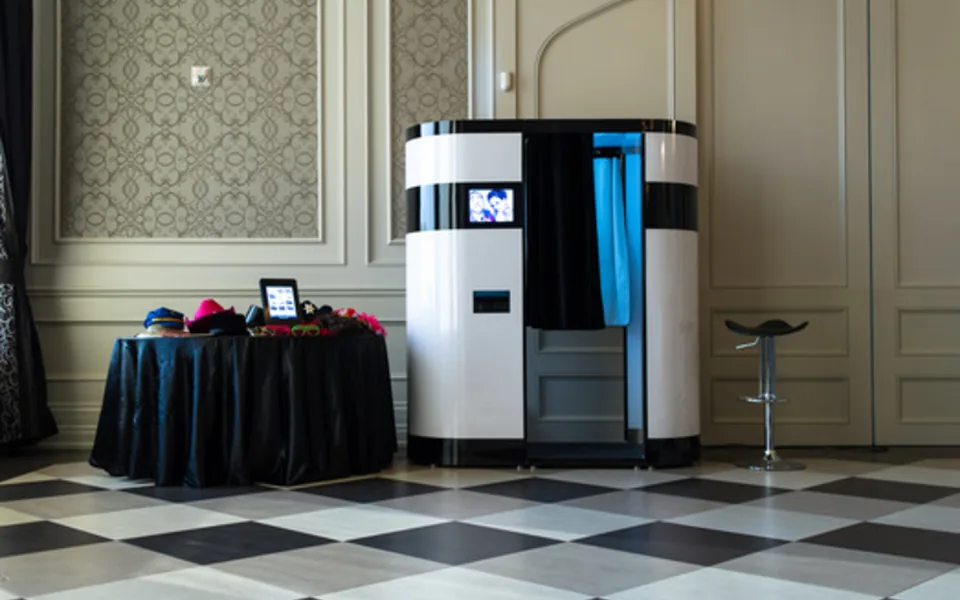
To price how guest count changes photo booth pricing properly, send the event date, venue, guest count, desired output and anything operational that affects setup. That turns the quote from a guess into a scoped recommendation.
If the event has a stronger emphasis on capacity and staffing, mention that early. It changes the booth recommendation and makes the response much more accurate.
The best inquiries are short but specific: date, venue, guest count, output goal and anything unusual about setup. That is enough to turn a generic quote into a useful one.