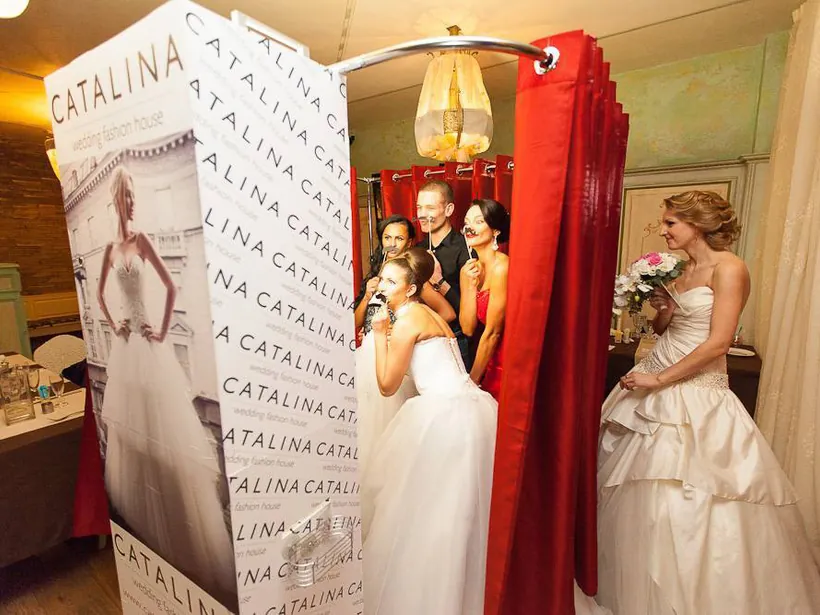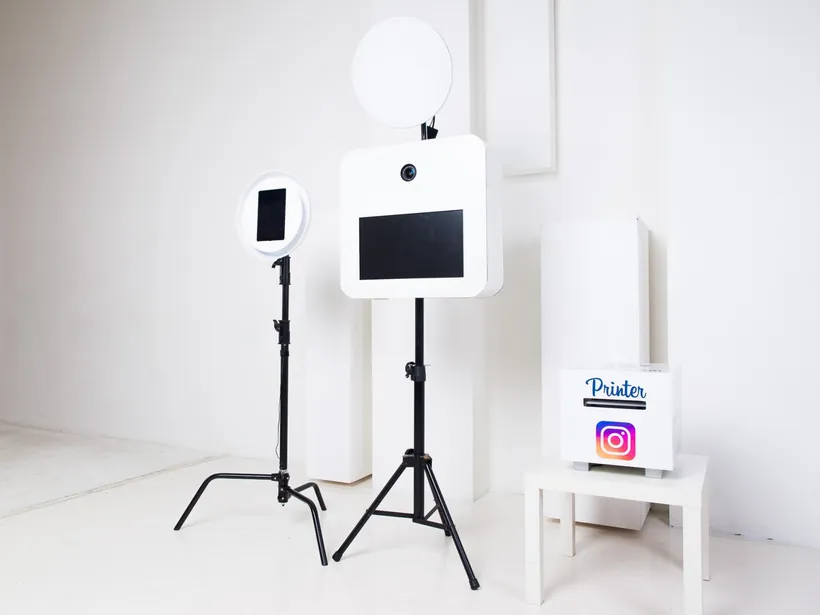
Lighting is one of the fastest ways to improve or damage the quality of a photo booth experience. Guests may not describe the technical issue correctly, but they immediately notice when photos look flattering, polished and worth printing.
Why booth lighting matters more than most guests realize
Guests may not talk about lighting in technical terms, but they immediately feel when booth photos look flattering and polished. Lighting controls skin tone, contrast and how expensive the booth experience feels.
A strong booth can underperform in a weak lighting setup, while a well-lit booth often feels premium even before anyone asks about specs.
That is why lighting should be treated as part of the product, not as a hidden technical detail.
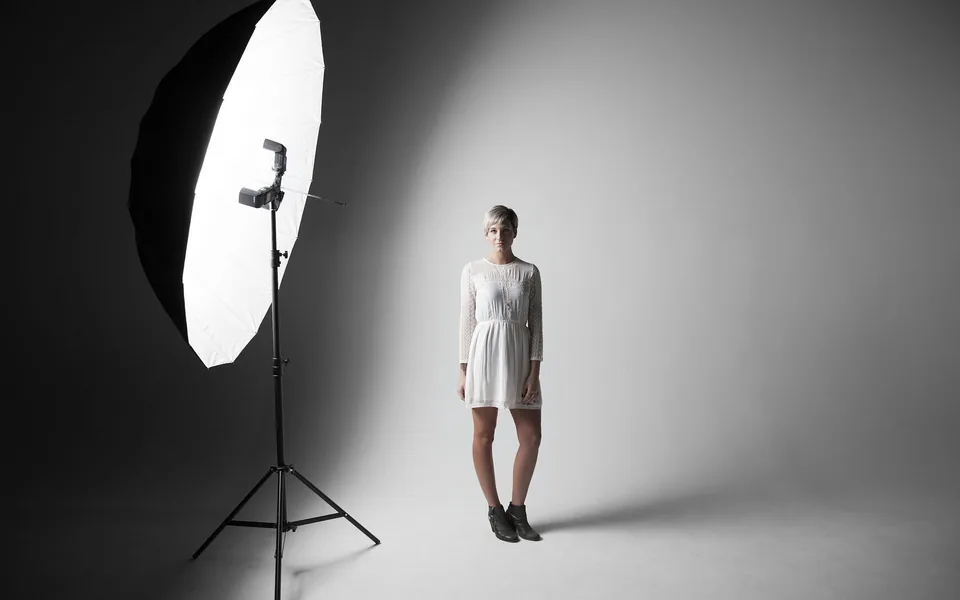
The difference between room lighting and booth lighting
Event lighting is usually designed for atmosphere, while booth lighting is designed for portraits. Those are related goals, but they are not the same.
A ballroom can look beautiful to the eye and still produce dull or uneven booth photos if the booth relies too heavily on ambient light. Mixed color temperature is especially common in event venues.
The safest booth setup controls its own subject lighting so the final photos remain consistent even as the room mood shifts through the night.
How flattering light changes the guest experience
People use booths more when they trust the result. Flattering light makes guests more willing to step in, try again and share the output with friends.
This is especially important on weddings and private events where the booth is partly about memory-making and not only about entertainment. If people like how they look, participation rises naturally.
Lighting therefore affects not just quality, but the social success of the booth itself.
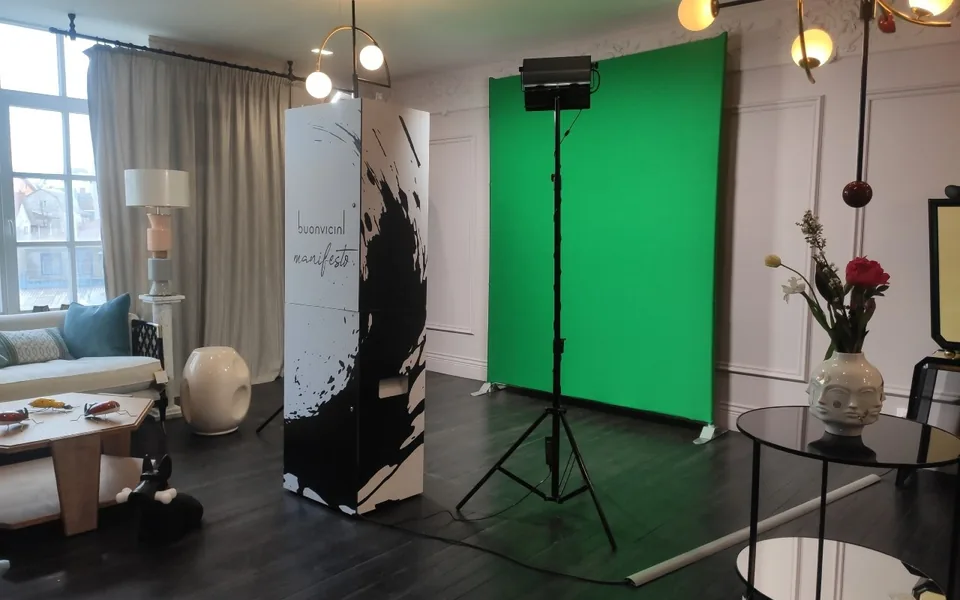
What to do in dark or high-contrast venues
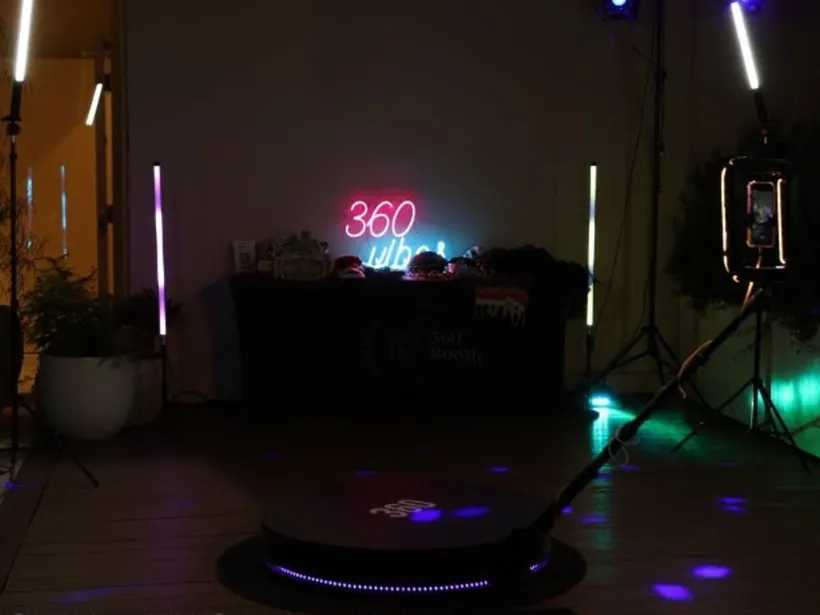
Dark venues need more than a generic brightness boost. The goal is controlled, flattering light that can separate the subject from the room without looking harsh.
High-contrast environments are common in lounges, evening weddings and branded event spaces. Without planning, faces can look muddy while highlights blow out elsewhere in the frame.
A booth that brings its own balanced light stays more dependable than a booth that tries to borrow too much from the venue.
Why backdrop choice and placement matter too
Backdrops and lighting should be planned together because reflective surfaces, dark fabrics and busy textures all change how light behaves on camera.
Placement matters just as much. If the booth sits near colored uplighting, mirrored surfaces or bright windows, the final photos may look less controlled than expected.
The cleanest result comes when the booth, backdrop and light are treated as one visual system.
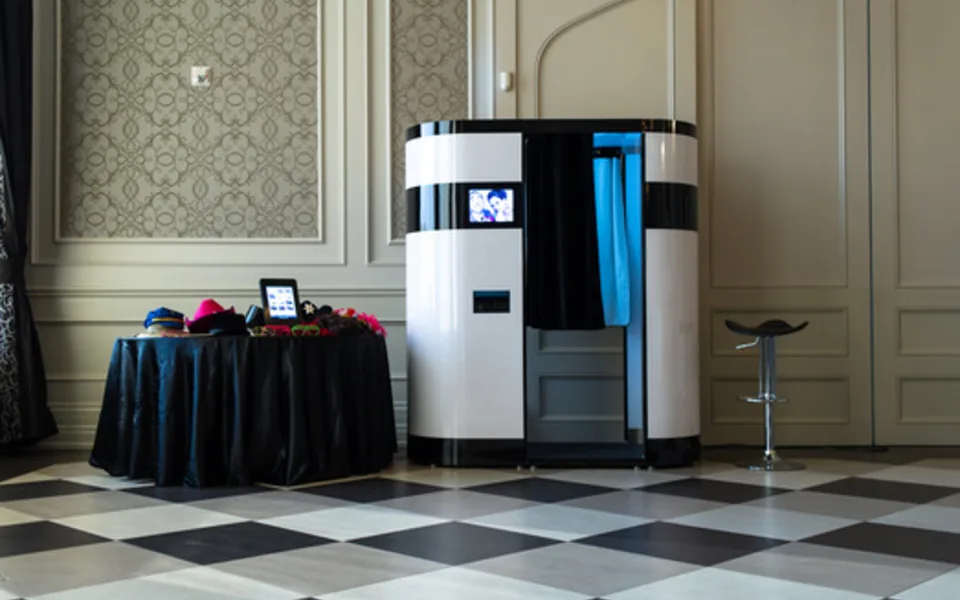
How to ask about lighting before you book
A useful lighting question is not whether the vendor has lighting, but how the booth stays consistent in a dark ballroom, mixed-color room or branded event environment.
If image quality is a priority, ask how the booth is placed, how the light is controlled and how the vendor handles changes across the event timeline.
This kind of question usually reveals whether the booth quality is truly repeatable or only looks good in ideal conditions.